Solo Travel in Indonesia: Everything You Need to Know
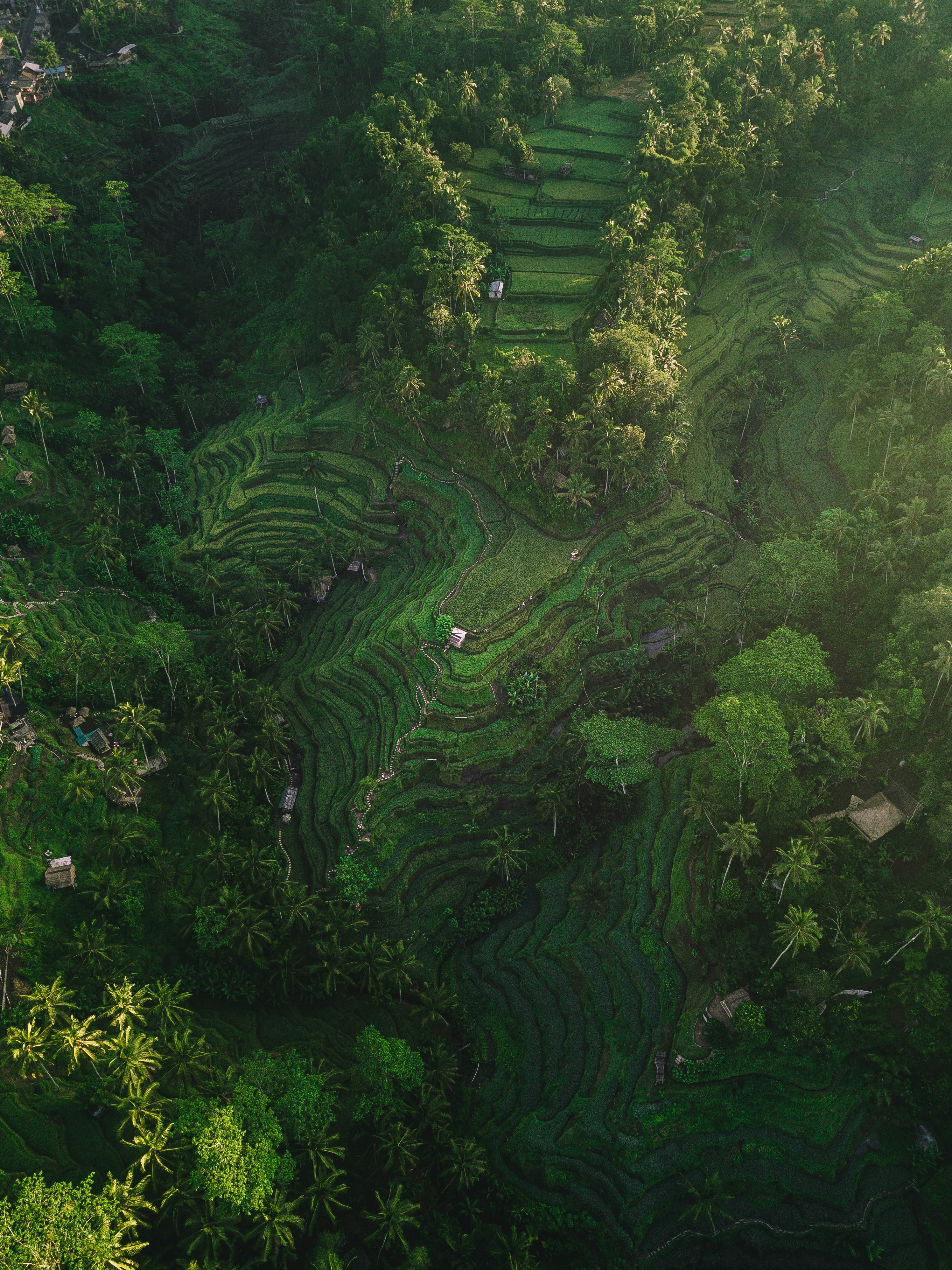
Indonesia is one of the world’s great solo travel destinations — not in spite of its scale, but because of it. With 17,000 islands, dozens of distinct cultures, and landscapes ranging from Bali’s rice terraces to Komodo’s prehistoric wilderness, it rewards independent travel in a way that packaged tours can’t replicate. The infrastructure for solo travellers — particularly in Bali — is genuinely excellent, and the learning curve is manageable.
Is Indonesia Good for Solo Travel?
Direct answer: yes, and emphatically so for Bali. Canggu and Ubud are two of Southeast Asia’s most developed solo traveller hubs, with coworking spaces, hostel bars, surf schools, and active digital nomad communities that make it almost impossible to stay isolated if you don’t want to be.
But Indonesia extends far beyond Bali. Yogyakarta has one of Southeast Asia’s most engaging backpacker scenes. Lombok offers a quieter alternative to Bali with easier access to the Gili Islands. Labuan Bajo is the gateway to Komodo National Park, where liveaboard diving trips create natural group dynamics. Papua and Raja Ampat are for experienced independent travellers but are doable solo with the right operators.
The archipelago’s scale means solo travel here requires slightly more planning than, say, Thailand — transport between islands involves flights or ferries rather than easy overland connections. Build that into your planning and Indonesia is enormously rewarding.
Safety for Solo Travellers
Indonesia is safe by Southeast Asian standards. Violent crime targeting tourists is uncommon. The practical risks are petty theft in busy tourist zones, motorbike accidents (the leading cause of serious tourist injury in Bali), and stomach illness in the first week.
Bag snatching from motorbike riders happens in urban areas — Jakarta and Surabaya more than Bali. Keep bags in front of you in crowds, use in-room safes for passports and spare cash, and use Grab or Gojek rather than street-hailed taxis to avoid overcharging disputes.
Bali itself is very safe by any measure. Tourist areas are well-policed, and the sheer volume of solo travellers means support networks are easy to find.
Solo Female Travel in Indonesia
Bali is one of Southeast Asia’s most comfortable destinations for solo women. Canggu and Ubud have large established communities of solo female travellers and digital nomads. Harassment is comparatively low, and tourist infrastructure is well-oriented towards women travelling alone.
Java is more conservative. In cities like Yogyakarta, dress modestly away from the immediate tourist areas around Malioboro Street and Prawirotaman. Lombok is more Islamic than Bali — the Gili Islands are relaxed, but the mainland is more traditional, and modest dress is expected outside beach areas.
Standard urban precautions apply across Indonesia: use app-based transport (Grab or Gojek) rather than negotiating with unlicensed drivers, don’t leave drinks unattended at bars, and wear a helmet if renting a motorbike.
How to Meet People in Indonesia
The solo traveller social scene in Indonesia is genuinely active — meeting people is not difficult if you put yourself in the right places.
Coworking spaces in Canggu are the fastest way into the Bali expat and digital nomad community. Dojo Bali (Jl. Batu Mejan) and Outpost Canggu run regular community events, beach socials, and networking nights. You don’t need to be working there to attend events — most are open.
Facebook groups are unusually active in Bali. “Digital Nomads Bali” has tens of thousands of members and daily posts about meetups, accommodation, and recommendations. “Expats in Bali” is broader. Check both when you arrive.
Surf lessons in Kuta, Canggu, and Uluwatu are naturally social — group lessons put 6–10 strangers in the water together for two hours. Batu Bolong Beach in Canggu is the main hub for lessons and has a relaxed beach bar culture after.
Meetup Bali (meetup.com) lists regular yoga events, language exchanges, and hiking groups — activity levels vary but pick up significantly in peak season (June–August).
Liveaboard diving trips to Komodo and Raja Ampat are among Indonesia’s best solo travel experiences. A 3–5 day boat carries 8–12 passengers. The combination of shared meals, shared wonder at the dive sites, and proximity creates fast friendships — several operators cater specifically to solo divers.
Yogyakarta’s Prawirotaman district is the city’s backpacker heartland — guesthouses with communal areas, budget warungs, and a bar culture that makes it easy to fall into conversation. The traveller scene is more classic budget-backpacker than Canggu’s digital nomad crowd.
Trekking groups on Mount Bromo and Mount Rinjani almost always form organically. Local guides and operators routinely consolidate solo travellers into shared jeep packages for Bromo sunrise tours. On Rinjani, most hikers depart from Senaru or Sembalun in groups — the national park organises this by default.
Best Bases for Solo Travellers
Canggu, Bali is the default for solo travellers who want a social, active scene — surf, yoga, coworking, and a dense concentration of cafes and bars geared toward internationals. It’s more expensive than other parts of Indonesia but extremely convenient.
Ubud, Bali suits solo travellers who want a quieter, more cultural base. Yoga retreats, cooking classes, and rice terrace walks attract a sociable crowd without the nightlife noise of Canggu. Hostels like Komaneka and the various meditation retreat centres run group activities that make it easy to connect.
Yogyakarta is Indonesia’s strongest alternative to Bali for solo travellers — genuinely local, culturally rich (Borobudur, Prambanan, the kraton), and with a well-developed budget traveller scene. Significantly cheaper than Bali for accommodation and food.
Lombok’s Gili Islands work well as a solo destination: small, walkable, and full of other travellers. Gili T (Trawangan) has the most nightlife; Gili Air is quieter. Both are relaxed and social.
Group Tours Worth Taking
Some of Indonesia’s most spectacular experiences are best done as part of an organised group — both for logistics and because the social element adds to the experience.
Komodo island tours from Labuan Bajo are the obvious choice: multi-day boat trips combining Komodo dragon encounters, snorkelling, and island-hopping. Book a Komodo tour through GetYourGuide to join an existing departure rather than chartering privately.
Ubud day tours — rice terrace walks, temple circuits, and cooking classes — are well-organised and bring solo travellers together naturally. Browse Ubud tours and activities for current options.
Mount Bromo sunrise tours from Malang or Probolinggo almost always run as shared group departures — the operator handles the 4WD jeep convoy and pairs solo travellers automatically.
Practical Solo Tips
Budget: Expect to spend approximately IDR 400,000–800,000 per day ($25–50 as of 2026) as a solo budget traveller — dorm beds from IDR 100,000–200,000, warung meals from IDR 20,000–50,000. Mid-range with a private room and restaurant meals runs IDR 800,000–1,500,000 per day.
Transport: Gojek and Grab are the standard for getting around Bali and major cities — safe, cheap, and driver-rated. Grab is slightly more consistent; Gojek has a broader range of services. Download both.
Motorbike rental: Common in Bali and costs approximately IDR 60,000–100,000 per day. Assess your confidence honestly — tourist motorbike accidents are common, and roads in Canggu and Seminyak are chaotic. An international driving licence is technically required.
Visa: Indonesia offers a 30-day visa on arrival for most nationalities (approximately USD 35 as of 2026), extendable to 60 days at the local immigration office. Check current requirements at imigrasi.go.id before travel — fees and procedures change. See our Indonesia visa guide for full details.
SIM card: Buy a local SIM at the airport on arrival. Telkomsel has the widest coverage across the archipelago. A tourist SIM with 30 days of data costs approximately IDR 100,000–150,000.
Language: English is widely spoken in tourist areas of Bali, Yogyakarta, and Lombok. Outside these areas, basic Bahasa Indonesia phrases go a long way — locals appreciate the effort, and the language is not difficult to pick up basic courtesy phrases.
Best Time to Go Solo
May–September is the dry season and the most social time to travel Indonesia solo. Crowds are higher, but that works in your favour as a solo traveller — more people on liveaboards, more organised group tours, more hostel energy.
June–August is peak season, particularly in Bali. Accommodation prices rise approximately 20–40%, but the social scene is at its most active and weather is most reliable for outdoor activities (trekking, diving, surfing).
October–April brings the northwest monsoon to Bali and Java, with more rain and rougher seas. Diving visibility can drop and liveaboards to Komodo are limited. If you’re travelling in the wet season, consider east of Lombok — places like Sumbawa and Flores often stay drier when Bali is wet.
December–January is the heart of the monsoon but also peak tourist season due to Christmas and New Year. Accommodation books out weeks in advance and prices spike — book early or expect to pay significantly above standard rates.
Book an experience
Top tours to book now
Already planning? These are the most popular experiences for this destination.
Frequently Asked Questions
- Is Indonesia good for solo travel?
- Yes — Indonesia is one of Southeast Asia's most rewarding solo travel destinations. Bali in particular has well-developed solo traveller infrastructure: hostels, coworking spaces, surf schools, and active expat communities in Canggu and Ubud. Beyond Bali, destinations like Yogyakarta, Lombok, and Komodo are navigable solo with basic planning.
- Is solo female travel in Bali safe?
- Bali is generally considered one of Southeast Asia's safer destinations for solo women. Canggu and Ubud have large, established communities of solo female travellers and digital nomads, and harassment is comparatively low. Standard precautions apply: use Grab or Gojek rather than negotiating with unlicensed drivers, don't leave drinks unattended at bars, and wear a helmet if renting a motorbike. Lombok and Java are more conservative — dress modestly outside tourist areas.
- What is the daily budget for solo travel in Indonesia?
- Budget solo travellers can get by on approximately IDR 400,000–600,000 per day (around $25–37 as of 2026), covering a dorm bed, warung meals, and local transport. Mid-range solo travel — private room, sit-down restaurants, occasional tours — costs approximately IDR 800,000–1,500,000 per day ($50–95). Bali is more expensive than Java or Lombok for accommodation but food remains cheap across the archipelago.