Bali Launches Major Infrastructure Push to Support Sustainable Tourism Growth
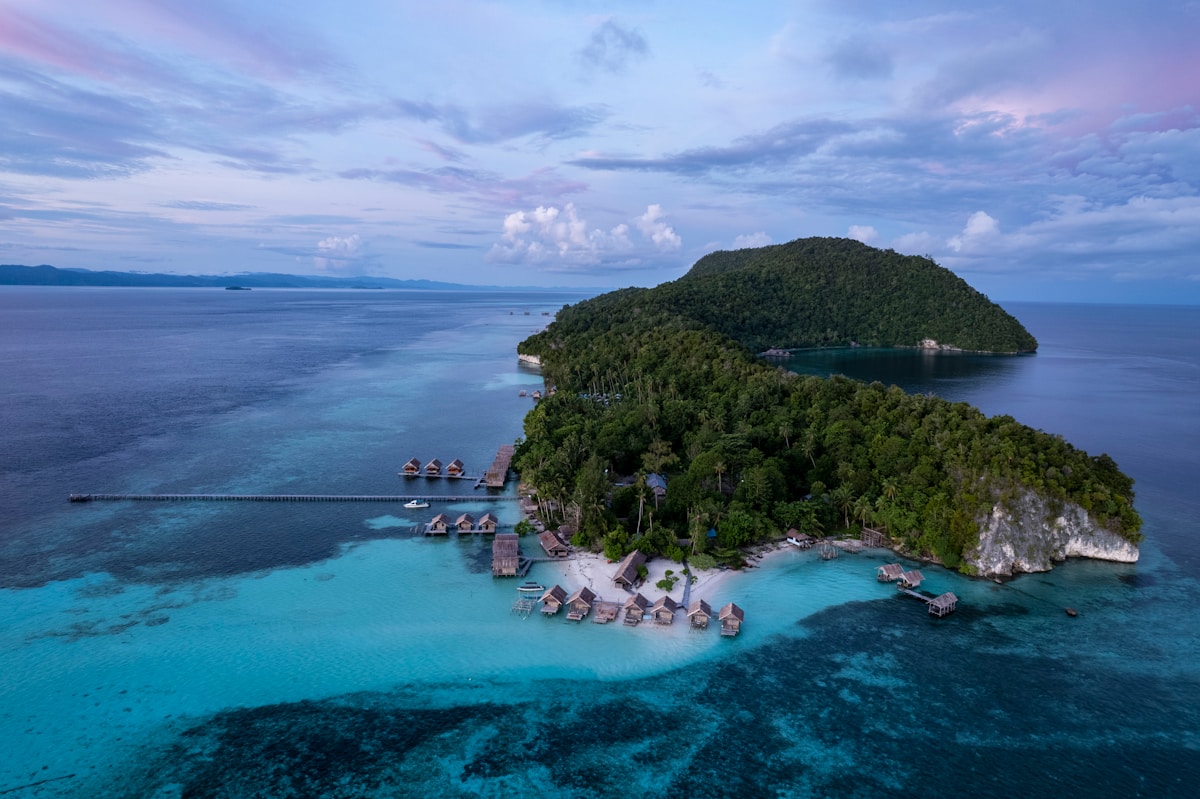
Bali is investing heavily in infrastructure designed to manage its growing visitor numbers without compromising the natural and cultural landscape that makes it one of the world’s most recognised travel destinations. New projects spanning waste-to-energy facilities, expanded transport networks, renewable energy systems and water management upgrades are moving from planning into construction in 2026, following a period of record arrivals.
The infrastructure push follows sustained growth in international tourism. Indonesia’s Ministry of Tourism confirmed that Bali remains the country’s single most visited destination, with international arrivals running ahead of targets for the first five months of 2026. The concern — acknowledged openly by provincial authorities — is that without investment in capacity, the pressure on the island’s waste management, roads and water supply will undermine the visitor experience that drives demand.
The waste-to-energy facility, the most significant of the announced projects, would convert Bali’s daily municipal waste into electricity rather than directing it to open landfill. Alongside this, transport planners are progressing a fast transit corridor connecting Kuta, Seminyak and Canggu — Bali’s most densely visited stretch of coast — to reduce congestion on the main arterial roads in those areas. Digital nomads and long-stay visitors based in Canggu can read more in our Canggu digital nomad guide.
For visitors, the construction phases of several projects may affect road access in parts of southern Bali through the second half of 2026. We recommend checking live traffic conditions before moving between southern beaches and the airport. Getting around Indonesia by road in Bali is best managed with a private driver or motorbike rental rather than relying on through-traffic routes during peak hours.
The infrastructure programme is consistent with a broader Indonesian tourism strategy of attracting visitors beyond Bali. The Ministry of Tourism’s “Go Beyond Ordinary” campaign, launched at the Seoul International Travel Fair in early June 2026, is actively promoting islands including Flores, Raja Ampat and Sumba as alternatives for travellers willing to explore the archipelago more widely.